
Souvenirs That Give Back: Ethical Shopping When Traveling
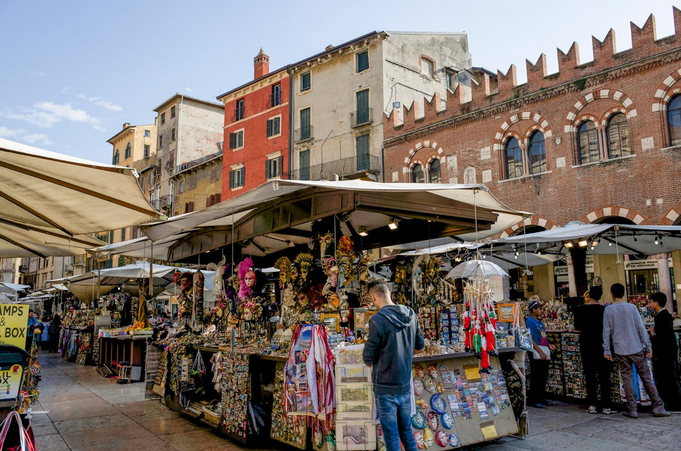
We’ve all done it—grabbed a quick “I love a given city magnet at the airport, or snagged a mass-produced keychain from a tourist stall just to say we brought something home. But more and more travelers are waking up to the idea that souvenirs can be more than clutter. They can tell a real story. Even better? They can make a positive impact.
Ethical travel isn’t just about where you go, it’s about how you move through the world—including how (and from whom) you buy. Souvenirs that give back don’t just sit on a shelf—they support local artisans, preserve cultural traditions, and shift power away from global factory lines to communities who actually call the place home. Here’s how to spot the real treasures—and why it matters.
Shop Local, Not Just “Made In”
Just because a product says “Made in Peru” or “Made in Morocco” doesn’t mean it supports people who actually live there. Many items in tourist markets are mass-produced in factories that don’t pay workers fairly—or worse, are shipped in from elsewhere entirely. Ethical shopping means looking beyond the label and asking, “Who made this?” Buying directly from the artisan or a trusted co-op helps ensure your money goes to the right place, not just into the pockets of middlemen.
Ask Questions and Build Connection
One of the joys of shopping ethically is that it often involves actual conversation. Ask about how something is made. Ask what materials were used, or what the pattern on a textile represents. Not only does this help you avoid buying something exploitative or fake, but it gives you a story to take home—something richer than just “I found it in a shop.” These small moments of connection turn a transaction into a memory.
Respect Culture, Don’t Replicate It
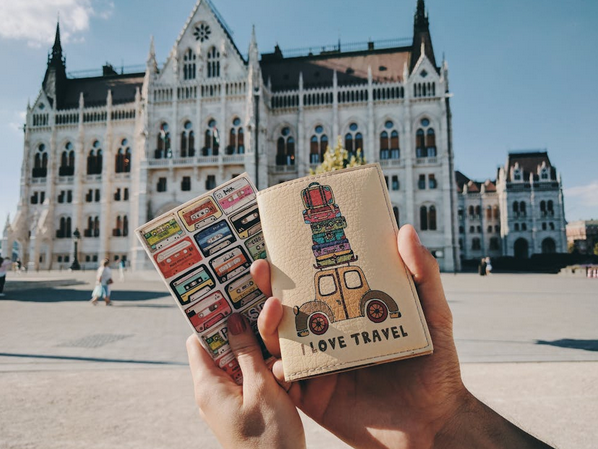
It’s easy to unintentionally veer into cultural appropriation when shopping abroad, especially when purchasing sacred symbols, traditional dress, or religious items. The key here is context and respect. If an item is ceremonial or deeply spiritual in its culture of origin, think twice before bringing it home as decor. Instead, support artisans who are sharing their culture intentionally and ethically. Let your souvenir celebrate, not imitate.
Seek Out Social Enterprises and Fair Trade Shops
Many cities and regions have fair trade markets, women’s collectives, or social enterprises that support marginalized groups through craft. Buying from these places means your dollars are helping fund education, health care, or economic empowerment. These products may cost a little more, but they come with layers of meaning. It’s like gifting twice: once to yourself, and once to someone who actually benefits from your choice.
Small, Thoughtful, and Sustainable
Ethical souvenirs don’t have to be big or expensive. A hand-carved spoon, a handwoven bracelet, or a jar of local honey can hold more value than a suitcase full of plastic trinkets. Choosing sustainable items—things made from natural, local, or recycled materials—also reduces your environmental footprint while supporting thoughtful craftsmanship. Minimalism meets meaning, and your suitcase stays lighter (bonus!).
Travel has the power to transform us, and the things we bring home should reflect that. Souvenirs don’t need to be flashy or expensive—they just need to be meaningful. When you choose to shop ethically, you’re not just collecting things—you’re supporting stories, sustaining cultures, and investing in people.…