

Shoulder season refers to the period between a destination’s busiest and quietest travel periods. It often falls between peak summer and winter, although the timing varies by location. During these months, a place can feel surprisingly different even when its main attractions remain the same. Fewer visitors can change the pace of a trip. Streets may feel calmer, restaurants less crowded, and popular attractions easier to explore. At the same time, weather can be less predictable, opening hours may change, and some services may operate on reduced schedules.
Experiencing Smaller Crowds
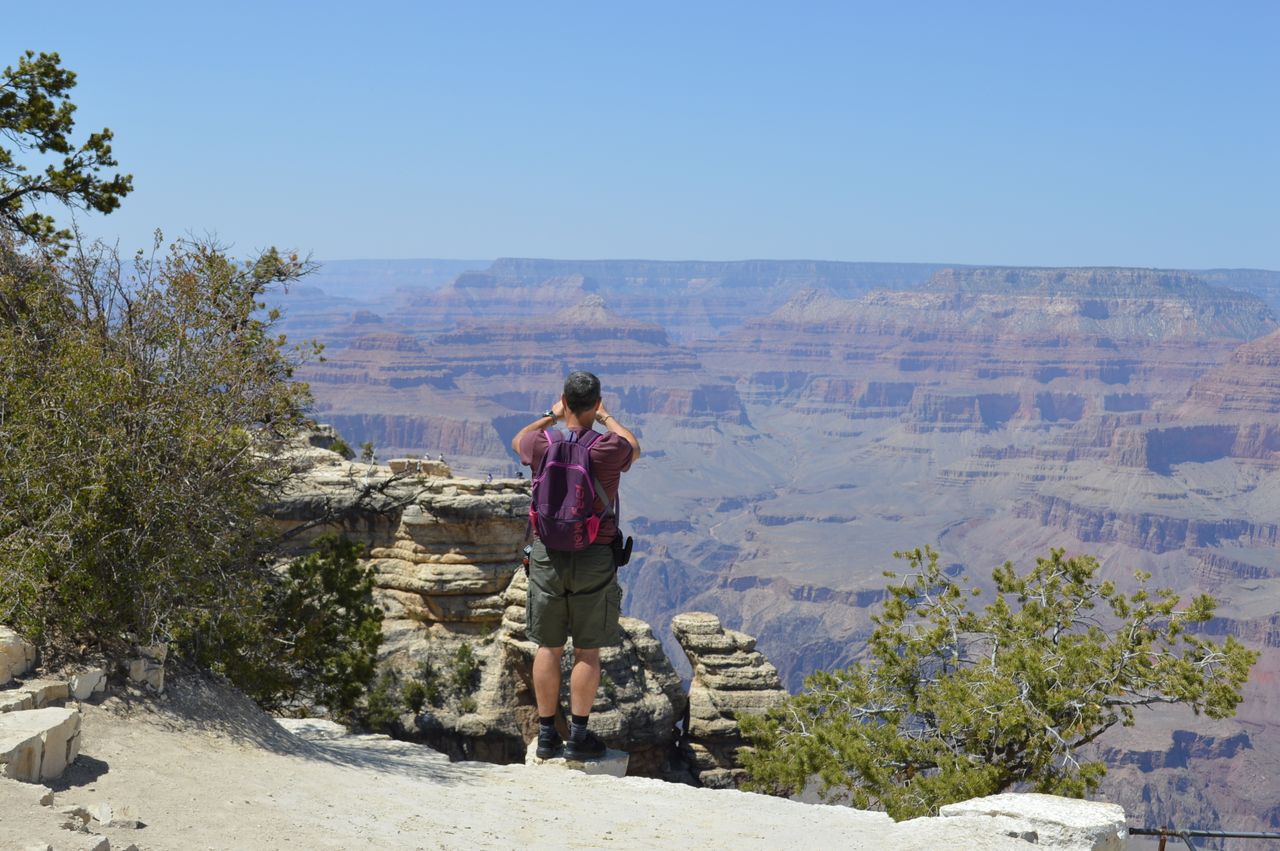
Crowd levels are one of the clearest reasons a destination feels different during shoulder season. Popular landmarks can become easier to navigate when fewer travelers arrive each day. Visitors may spend less time waiting, move more freely through public spaces, and have more opportunities to enjoy quieter surroundings. This can affect the mood of an entire trip. A busy historic district may feel energetic during peak months but relaxed during shoulder season. Beaches, museums, markets, and scenic viewpoints can also have more breathing room. However, smaller crowds do not mean every place will be empty. Festivals, school holidays, major events, and favorable weather can still attract large numbers of visitors. Shoulder season reduces pressure in many destinations, but local calendars remain important when planning.
Discovering Different Local Rhythms
Shoulder season can reveal a destination’s everyday rhythm more clearly. When tourism demand decreases, residents may have more space for normal routines. Cafes can feel less rushed, neighborhood streets may become quieter, and conversations with local business owners may be easier. Some tourism-dependent communities also adjust their schedules. Restaurants, tours, attractions, and transportation services may reduce operating hours or close temporarily. This can make a destination feel less commercially focused than during peak periods. The change can be valuable for travelers who want to observe ordinary life rather than follow a crowded tourist routine. Still, researching seasonal business hours is important because fewer services can affect an itinerary.
Finding Better Travel Value
Prices can also change during shoulder season. Hotels, flights, tours, and other travel services may offer lower rates when demand falls from peak levels. The savings vary widely, so travelers should compare the full cost rather than assuming every shoulder-season trip is inexpensive. Lower demand can provide another advantage: greater flexibility. A traveler may have more choices when selecting accommodations or booking activities. Yet popular destinations can remain expensive during special events or holiday periods. Value depends on the specific dates, local demand, and booking conditions. Checking several options before committing can help travelers understand the actual difference.

Adjusting to Changing Weather
Weather is another major factor. Shoulder seasons often sit between two distinct climate periods, so conditions can shift quickly. A destination might offer sunny mornings, cooler afternoons, and occasional rain within the same day. This variability changes how travelers experience outdoor activities. Hiking routes may feel more comfortable without intense summer heat, while beaches may be less appealing when water temperatures drop. City sightseeing can become easier in mild weather, but sudden rain may require more flexible plans. Travelers should check typical conditions and recent forecasts before leaving. Packing layers and adaptable clothing can make changing temperatures easier to manage. Weather uncertainty is not necessarily a drawback, but it does require realistic expectations.
Experiencing Attractions Differently
The same attraction can feel completely different when visitor numbers change. A famous gallery may become easier to appreciate without constant movement around the exhibits. A historic neighborhood may feel more atmospheric when streets are not filled with tour groups. Shoulder season can also change the way travelers schedule their days. Instead of rushing between attractions, visitors may have time to linger, take photographs, revisit a favorite area, or discover smaller places nearby. This slower pace does not suit every traveler. Some people prefer the energy of peak season, when events are frequent, and destinations feel especially lively. Others value quieter surroundings and greater freedom. Understanding your preferred travel style can help determine whether shoulder season fits your plans.
Shoulder season is not simply a cheaper version of peak travel. It creates its own combination of crowd levels, weather patterns, local schedules, prices, and daily rhythms. These factors interact, which is why the same destination can feel noticeably different from one month to another. Good planning means checking weather conditions, attraction schedules, transportation options, local events, and accommodation availability before booking. It also helps to keep plans flexible when seasonal conditions are uncertain. For travelers who enjoy quieter streets, moderate conditions, and a less pressured pace, shoulder season can offer a rewarding way to experience a destination. The experience may not provide every service or ideal condition found during peak periods. Instead, it offers a different version of the same place, often revealing details that crowded travel can make harder to notice.